According to the Calorie Control Council, the average American chows down on 4,500 calories worth of turkey, stuffing, and cornbread at Thanksgiving dinner. The American Council on Exercise and The New York Times aim a little lower, claiming that the number of calories is really around 3,000. Either way, all of the sources estimate that we eat more in one sitting on Thanksgiving than were normally advised to eat in an entire day!
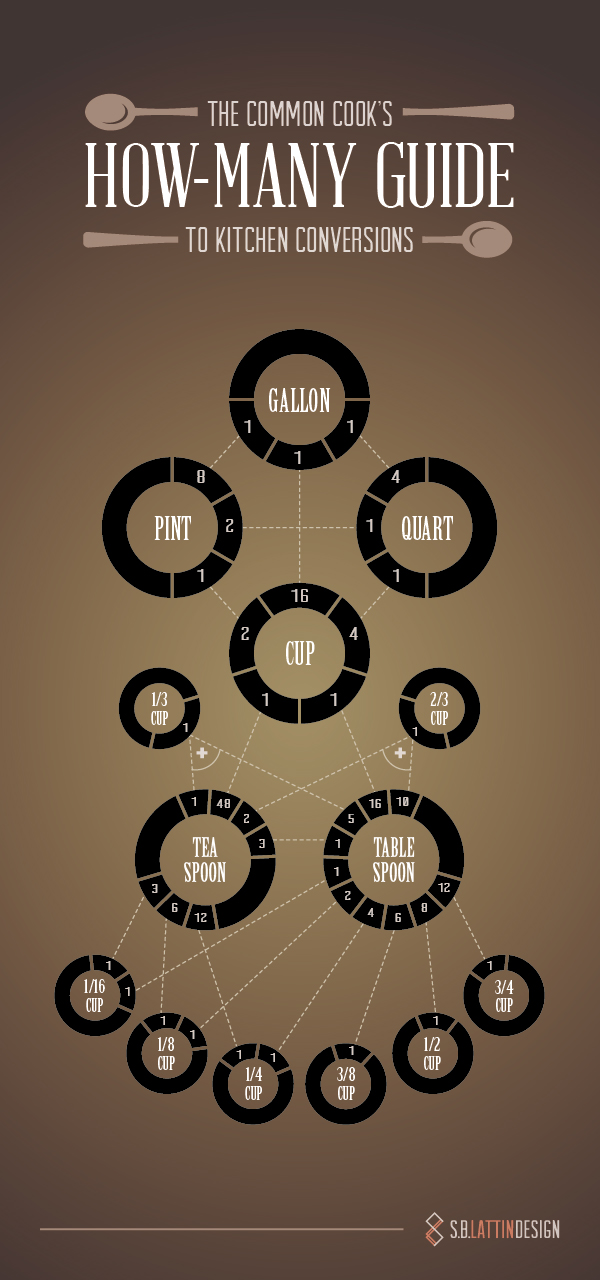
Is your kitchen drawer a black-hole of utensils? If you never seem to have just the right measuring spoon or cup for your baking endeavor, this guide can help you make the most of the tools you have at hand.
Eating organically has been an increasing trend over the past decade, but often, consumers dont know what constitutes organic food, and what does not. They may not also know the advantages and disadvantages to eating organic as opposed to eating conventional foods, such as the increased risk of foodborne bacteria or the conservation of soil. The differences between organic foods and more conventional foods can often seem subtle, but there are several different criteria that go into the term organic, and must be in place for a food to be labeled as 100% organic or even just organic. Unlike the term natural which holds no regulatory weight, organic farmers must follow a strict set of guidelines in order to be considered organic. Although more cheaply produced, conventional foods can carry ecological risks, such as superbugs that have become resistant to traditional insecticides.



 Advance Health & Fitness