Seattle is nationally know for it’s coffee. It’s the home of Starbucks, Tully’s and much more. Find out why this city is the hub of caffeine consumption.

Source: psmoving.com
Seattle is nationally know for it’s coffee. It’s the home of Starbucks, Tully’s and much more. Find out why this city is the hub of caffeine consumption.
Source: psmoving.com
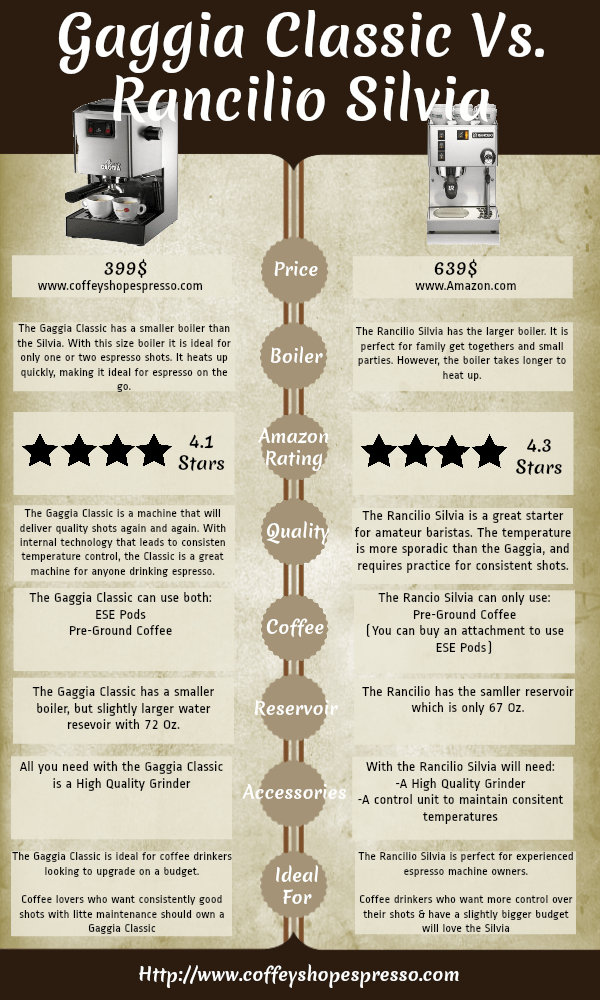
Compare to giants in the espresso world The Gaggia is a classic machine that has a loyal following. The Rancilio is perfect for amateur home baristas. Find out more.
Source: coffeyshopespresso.com
What Is Caffeine, and Is It Good or Bad for Health?
Caffeineis a natural stimulant most commonly found in tea, coffee, and cacao plants.
It works by stimulating the brain and central nervous system, helping you stay alert and prevent the onset of tiredness.
Historians track the first brewed tea as far back as 2737 B.C. (1).
Coffee was reportedly discovered many years later by an Ethiopian shepherd who noticed the extra energy it gave his goats.
Nowadays, 80% of the world’s population consumes a caffeinated product each day, and this number goes up to 90% for adults in North America (1).
Caffeine: How much is too much?
Caffeine has its perks, but it can pose problems too. Find out how much is too much and if you need to curb your consumption.
If you rely on caffeine to wake you up and keep you going, you aren’t alone. Millions of people rely on caffeine every day to stay alert and improve concentration.
How Caffeine Affects Your Body
Caffeine boosts your energy and mood and makes you more alert. That can sometimes be helpful, especially in the morning or when you’re trying to work. Though your body doesn’t store it, caffeine can affect you for up to 6 hours after you swallow it. But more is not always better. Too much can push you over the line from alert to jittery and anxious.
This coffee infographic contains information about how much coffee the world drinks every year, around 66 billion cups! And while the United States ranks #8 for coffee drinking, it is far behind the #1 coffee drinking country in the world, Finland. Surprising to me, Japan ranks right behind the USA at #9. Men only drink slightly more coffee than women. Brewed coffee can contain more caffeine than espresso.

Source: bestinfographics.co
 Advance Health & Fitness